What Is Parts Work in Therapy? Healing Inner Conflict Through IFS & Somatic Integration
What Is IFS & Parts Work?
Have you ever felt that one part of you wants to change, while another part holds you back?
“I want to stop procrastinating… eat better… be more confident… leave this relationship… speak up… try something new… but a part of me won’t let me.”
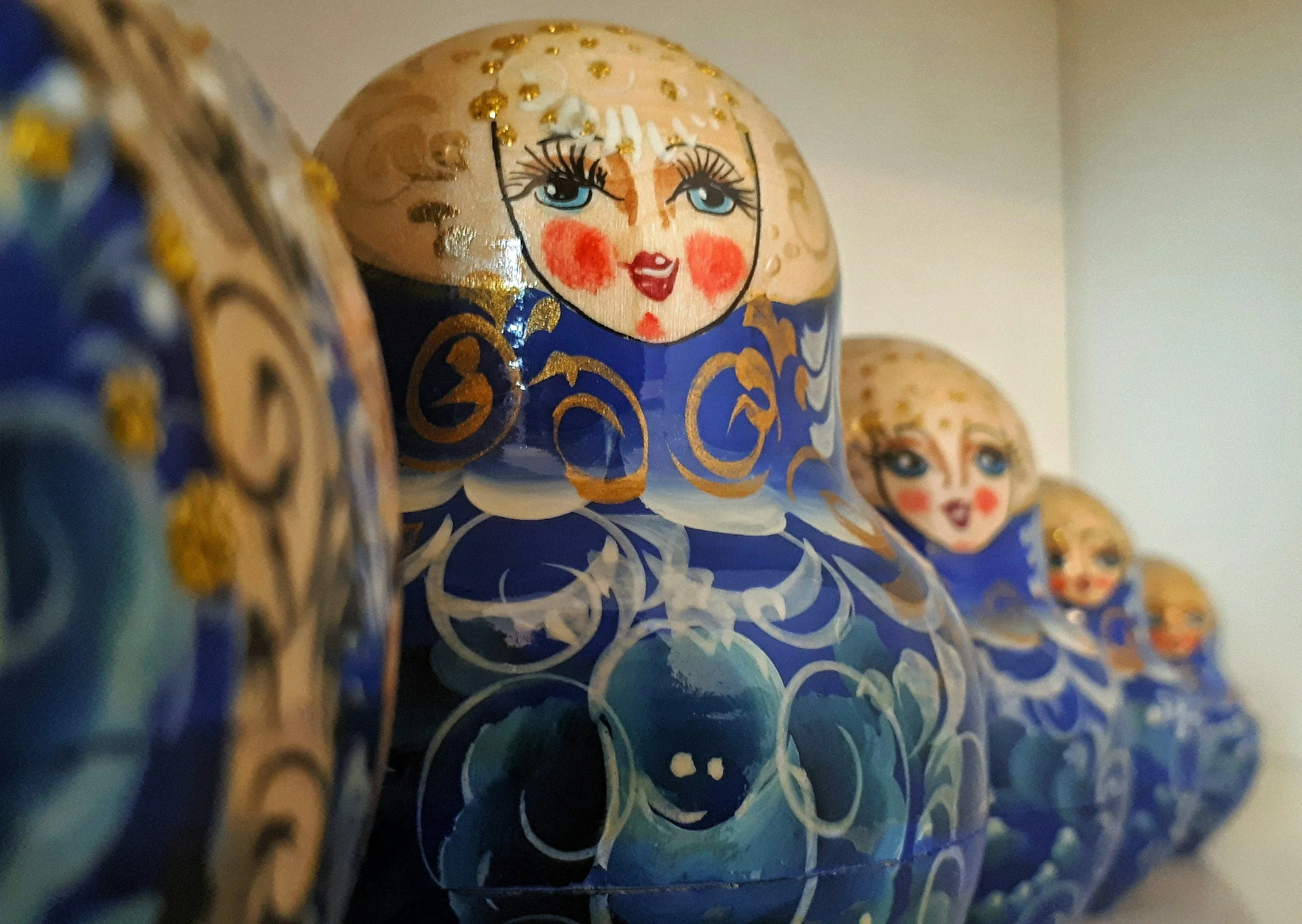
Internal Family Systems (IFS), also known as Parts Work Therapy, is a trauma-informed therapeutic approach that recognises that the mind is not singular, it is made up of different internal parts. Each part carries its own beliefs, emotions, memories and protective strategies.
These parts are not signs of dysfunction. They are adaptive responses developed to help you survive and cope. Parts Work helps you understand, regulate and harmonise these inner dynamics rather than suppressing them.
What Is Parts Therapy?
Parts therapy is a therapeutic approach based on the understanding that the mind is not a single, fixed identity, but a system made up of different “parts” or sub-personalities.
You may recognise this in yourself:
A part of you wants intimacy — another part pulls away.
A part of you feels confident — another feels small or ashamed.
A part of you wants change — another resists it.
Parts therapy helps you understand these inner dynamics rather than fighting them.
This approach is closely connected to Internal Family Systems (IFS) and inner child work, and is often integrated into trauma-informed and somatic counselling.
The Origins of IFS & Parts Work
Although Internal Family Systems was formally developed by Dr. Richard Schwartz in the 1980s, the concept of sub-personalities or “parts” has deep psychological roots. Several therapeutic traditions contributed to this understanding:
• Jungian Psychology – Carl Jung explored archetypes, the shadow and the collective unconscious, highlighting how different aspects of the psyche influence behaviour and must be integrated rather than denied.
• Transactional Analysis (TA) – Eric Berne described Parent, Adult and Child ego states, demonstrating how internal roles shape our interactions and reactions.
• Gestalt Therapy – Fritz Perls used techniques such as the “empty chair” to facilitate dialogue between conflicting parts of the self.
• Psychosynthesis – Roberto Assagioli emphasised the integration of sub-personalities into a coherent and harmonious Self.
• Voice Dialogue & Ego State Therapy – These approaches worked directly with distinct internal voices or ego states, especially in trauma resolution.
• Schema Therapy – Jeffrey Young introduced schema modes, describing how different emotional states represent parts of the personality.
Dr. Richard Schwartz integrated systems thinking with these psychological traditions and developed the Internal Family Systems model. IFS views the psyche as an “internal family” of parts guided by a core Self, a centred, compassionate and wise presence within.
The aim is not to eliminate parts but to restore internal cooperation under the leadership of the Self.
Is Parts Therapy the Same as IFS?
Internal Family Systems (IFS), developed by Richard Schwartz, is one of the most recognised models of parts therapy. While IFS has a structured framework, parts work can also be integrated flexibly within somatic counselling and relational therapy. The core principle remains the same: All parts have a protective intention, even the ones that feel disruptive.
Why Do We Have Different “Parts”?
Parts develop as adaptive responses to life experiences, especially during childhood. When something overwhelming happens, the nervous system creates protective strategies. Over time, these strategies become internal roles. Common types of parts include:
The Inner Child (vulnerable, emotional, sensitive)
The Protector (hyper-independent, controlling, guarded)
The Critic (harsh, perfectionistic, shaming)
The Pleaser (people-pleasing, approval-seeking)
The Avoider (numbing, distracting, withdrawing)
These parts are not flaws. They are survival intelligence. But when they operate unconsciously, they can create internal conflict, anxiety and relational patterns that feel repetitive and exhausting.
How Parts Therapy Works:
Parts Work Therapy helps you recognise which parts of you are active, understand their protective roles and origins, and reduce inner conflict by building compassionate self-awareness and emotional regulation. Instead of asking “What is wrong with me?”, we gently explore “Which part of me is activated, and what does it need?”, a shift that reduces shame and brings clarity.
This approach is especially supportive if you feel stuck in repeating patterns, experience anxiety, self-sabotage or harsh self-criticism, carry unresolved childhood or attachment wounds, or long for deeper self-understanding. In a safe, trauma-informed and regulated space, we explore your internal system through somatic awareness, nervous system regulation, inner child work, relaxation techniques and structured internal dialogue. Each part is welcomed rather than fought, allowing tension to soften and integration to occur.
Over time, this process supports greater motivation, confidence, self-acceptance and inner coherence, not by removing parts, but by restoring harmony between them.
During sessions we:
Identify which parts are active
Understand their role and origin
Explore what they are protecting
Help them feel seen and safe
Create internal cooperation rather than inner war
This process reduces reactivity and increases self-leadership.

What Can Parts Therapy Help With?
Parts work can be particularly helpful for:
Anxiety and chronic stress
Emotional overwhelm
Low self-worth
Trauma integration
Repeating relationship patterns
Self-sabotage
Shame and inner criticism
Attachment wounds
It is especially supportive for people who have insight but still feel stuck in the same reactions.
Parts Therapy in Brighton, Hove & Online
In my integrative work, parts therapy is combined with:
Somatic counselling
Trauma-informed regulation practices
Inner child healing
Psychoenergetic integration
Relational exploration
This creates a grounded, safe and deeply transformative process.
If this resonates with your experience, I offer trauma-informed somatic counselling in Brighton and online, supporting people to move from reactive relational patterns to embodied, authentic connection. You’re welcome to book a free discovery call to explore working together.